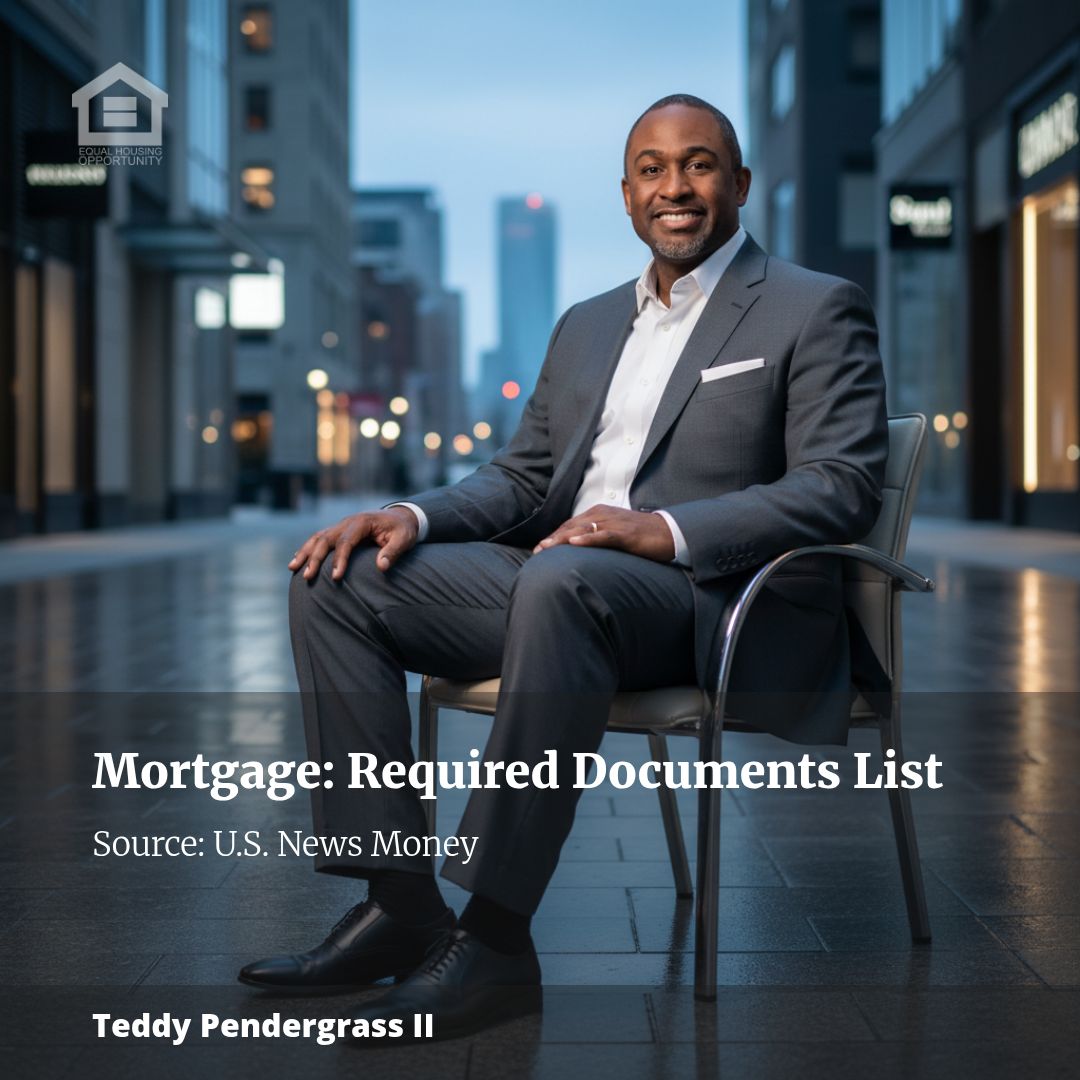
Author: Teddy Pendergrass II

  • Buying Your First Home Takes Preparation

    Preparing to buy your first home is a journey that benefits from thoughtful planning and the right guidance. I always advise clients to start with a clear-eyed look at whether buying or renting makes sense for them—considering monthly payments, long-term flexibility, and the unique advantages that come with homeownership. It’s about more than just numbers; it’s about finding a property that truly fits your lifestyle, from the number of bedrooms and workspace needs to commute, maintenance preferences, and your ideal neighborhood vibe—urban, suburban, or something quieter.

    Down payments play a big role. While putting down around 20% can help you avoid private mortgage insurance, there are also options with as little as 3% down, and many programs offer help with closing costs. Remember to factor in not just the purchase price, but also ongoing ownership costs. Your credit profile, as well as having your tax and income documentation in order, can open up additional opportunities. As someone who specializes in tailored mortgage solutions—including first-time buyer programs and down payment assistance—I see every day that sometimes your dream home and your budget don’t align right away. That’s okay. Starting with a more modest property or continuing to rent while you prepare financially can still put you on the path to building equity and securing a home that’s right for you, when the time is right.


  • Short Sales Can Leave Mortgage Debt

    Short sales are a unique path in real estate finance, and I’ve seen firsthand how they can affect both homeowners and buyers. When a property sells for less than what’s owed on the mortgage, the lender steps in—sometimes forgiving the leftover debt, other times asking for repayment. It’s not a quick fix: there’s a lot of paperwork, lender approval is a must, and you’ll need to show evidence of financial hardship and present a buyer-backed offer. For those considering this route, it’s smart to ask your lender about alternatives like revised payment plans, loan modifications, or support tied to private mortgage insurance before jumping into a short sale. Buyers might find attractive pricing, but these homes are typically sold as-is, and lender processes can extend the timeline. A thorough inspection is always wise. Compared to foreclosure, short sales often have a gentler impact on your credit, and may even allow you to buy another home sooner. As someone who specializes in tailored mortgage solutions, I know the process can feel overwhelming—but understanding your options is the first step to navigating it with confidence.

  • Philadelphia Buyers May Have More Leverage

    Philadelphia Buyers May Have More Leverage

    Philadelphia’s housing market is showing signs of a possible shift in buyer leverage. Inventory is up 13.3% year over year, while pending listings declined 6.8% and new listings fell 6.9%. Median days on market reached 65, giving buyers additional time to evaluate homes and structure competitive offers. Months of supply is the metric to watch: if inventory continues rising while contract activity remains measured, sellers may face more negotiation around price, credits, inspections, and closing timelines. Buyers should use this window to confirm their budget, compare mortgage options, and get fully prepared before making an offer.

    Continue to full article

  • United States: How USDA Loans Work

    USDA loans are an often-overlooked resource for buyers in qualifying rural and suburban areas across the U.S., offering a path to homeownership with the possibility of no down payment and more flexible qualification criteria. As someone who specializes in matching clients with the right mortgage solutions, I’ve seen how these government-backed options can be a game-changer—especially for those with steady income but limited savings. With USDA loans, private lenders handle your application while the government guarantees about 90% of the loan’s value, making it possible to finance the full price of an eligible home.

    There are a few routes to explore: guaranteed loans issued through lenders, direct loans from the government, and even assistance for home repairs. Keep in mind, eligibility is based on the property’s location, your household income, and a few other factors—primary residences only, no vacation or investment properties allowed. While the no down payment feature is a big advantage, you’ll still need to budget for closing costs, taxes, insurance, and guarantee fees.

    If you’re considering buying in a smaller community or suburb, take time to confirm your property’s eligibility, understand the income guidelines, and compare your lending options. My approach is always about finding the right fit for your goals—whether it’s a USDA loan or another program that matches your needs.

  • How to Benefit If Mortgage Rates Drop Before Closing

    How to Benefit If Mortgage Rates Drop Before Closing

    Ever lock in a mortgage rate, only to see rates dip before you close? This scenario comes up more than you might think. One option that can help is a rate float-down—this lets you take advantage of a lower rate if the market shifts in your favor, usually for a fee. But every float-down has its own details, and sometimes costs or strict timing can outweigh the savings. As someone who regularly guides clients through complex lending decisions, I always weigh these factors carefully. Alternatives, like switching lenders or even refinancing down the road, can sometimes make more sense if rates fall significantly. In my experience, there’s no one-size-fits-all answer—having a mortgage strategy that’s tailored to your needs is key to maximizing value and peace of mind.

    Continue to full article

  • A Complete Checklist of Documents Needed for a Mortgage

    A Complete Checklist of Documents Needed for a Mortgage

    As you prepare for a mortgage application, having your paperwork in order is key. Lenders will typically ask for proof of identity, recent pay stubs, tax returns, bank statements, and details on your assets, debts, and credit history. If you’re self-employed or your situation is unique, be ready for a bit of extra documentation. Over the years at Teddy Pendergrass Capital Inc and LoanTKO.com, I’ve seen how being organized from the start can make the process smoother and help unlock the right mortgage—whether it’s for your first home, an investment property, or something more specialized. The right documents are the first step to tailored mortgage solutions.

    Continue to full article

  • What Loan Down Payment Do You Need? A First-Time Borrower’s Guide

    What Loan Down Payment Do You Need? A First-Time Borrower’s Guide

    One of the most common questions I get as The Loan Jedi is about home loan down payments—especially from first-time buyers eager to understand their options. Depending on the loan program and your eligibility, down payments can range from 0% (for VA and USDA loans) up to over 20%. Conventional loans often start at 3%, while FHA loans are typically 3.5%. Making a 20% down payment helps you sidestep PMI, which otherwise adds between 0.5% and 1.5% annually to your costs. Remember, closing costs usually run 2%–5% of the loan amount as well. With so many paths available, finding the right fit comes down to understanding both the numbers and your unique situation—a process I’ve specialized in for years, ensuring clients get tailored mortgage solutions that work for them.

    Continue to full article

  • Mortgage Refinancing Myths and Costs to Check

    As someone who’s helped clients navigate the ins and outs of refinancing across multiple states, I see a lot of misconceptions about what it really entails. Here’s what I share with my borrowers: Don’t stop at the first offer—pull at least three same-day quotes and compare APRs, not just the headline rate. This is how you get a true picture of lender fees and boost your negotiating position. It’s also essential to remember that refinancing isn’t free. Closing costs are typically 2% to 5% of your new loan, so always calculate your break-even point before making a move. A lower rate might look appealing, but starting a new 30-year term can reset the clock and increase your total interest over time. Refinancing replaces your primary lien with a new one, which shouldn’t complicate a future sale, but cash-out options call for extra caution. Expect a credit check—strong credit and a debt-to-income ratio under 36% put you in a great spot for top-tier offers. And if you’ve been turned down before, know that with the right guidance, you can improve and try again. My focus is always on helping clients find personalized mortgage solutions that truly fit their goals.

  • US Mortgage Refinance Myths to Know

    As The Loan Jedi, I’ve seen how myths about mortgage refinancing can cloud decisions. Here’s what I always tell clients: shopping around is essential—pull at least three quotes on the same day and compare the APRs, not just the interest rates. This reveals lender fees and gives you better footing for negotiations. Remember, refinancing isn’t free; closing costs typically run 2% to 5% of your new loan amount, so it’s crucial to calculate your break-even point before taking the leap. A lower rate doesn’t always mean you’ll save money; if you restart the clock on a new 30-year loan, you could end up paying more in interest over time. Refinancing swaps your primary lien for a new one, so it shouldn’t complicate a future sale, but cash-out options deserve extra scrutiny. Be prepared for a credit check—having strong credit and a debt-to-income ratio below 36% helps you qualify for the best offers, and even if you’ve been denied before, you can often improve and reapply. My approach always centers on finding the right solution for your unique situation, drawing on a wide range of loan options and expertise to guide you through every step.

  • U.S. VA Loans vs. Conventional Loans

    When it comes to choosing between U.S. VA loans and conventional loans, it’s all about finding the right fit for your unique situation. VA loans are designed for veterans, active-duty military, and certain surviving spouses. They’re a powerful option for buyers who may not have significant down payment savings or who have a bit higher debt-to-income ratios. Instead of paying annual mortgage insurance, VA borrowers pay a one-time funding fee—often making homeownership more accessible.

    On the other hand, conventional loans are open to anyone who meets a lender’s financial criteria. If you’re able to put down 20%, you can avoid mortgage insurance entirely—and conventional financing also opens doors to second homes or investment properties.

    In my work as The Loan Jedi, I’ve seen how the nuances of loan programs impact real people’s goals. That’s why I always recommend running the numbers for both options, factoring in your specific scenario. Comparing rates and fees, and using a mortgage calculator, can shed light on the true cost. And if you ever need a tailored approach, working with someone experienced in both VA and conventional loans can help you map out the best path forward for your financial journey.